
Work
Five examples from my practice. No names: what matters is the question, what I did, and what changed.
Mobilising quality for an offshore wind installation project
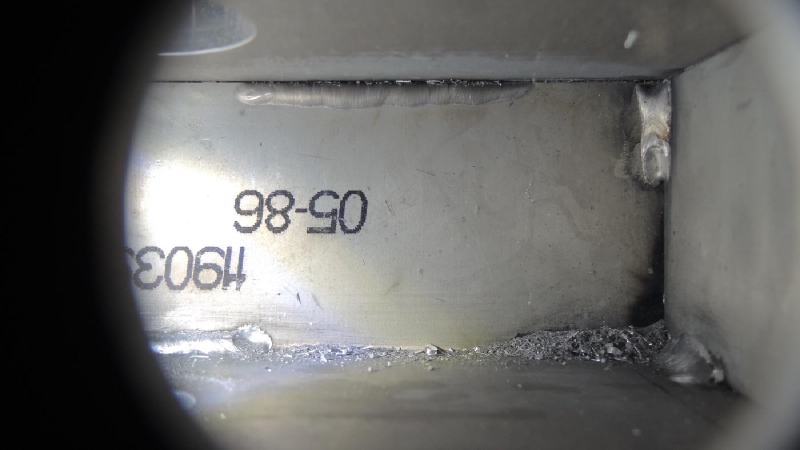
Before the project starts, I define the approach to quality and the hard requirements for the contractors. While equipment is installed on the vessels, I make sure the requirements of the notified body, the end client and my client are followed, and I report progress.
When things go differently on board, I switch between engineering, the notified body and the contractor: I advise engineering, witness on behalf of the notified body, and the contractor can carry on. If that is not done properly, the paperwork of the manufacturing record book falls apart, and that record book is often part of the final payment.
Major maintenance on offshore equipment
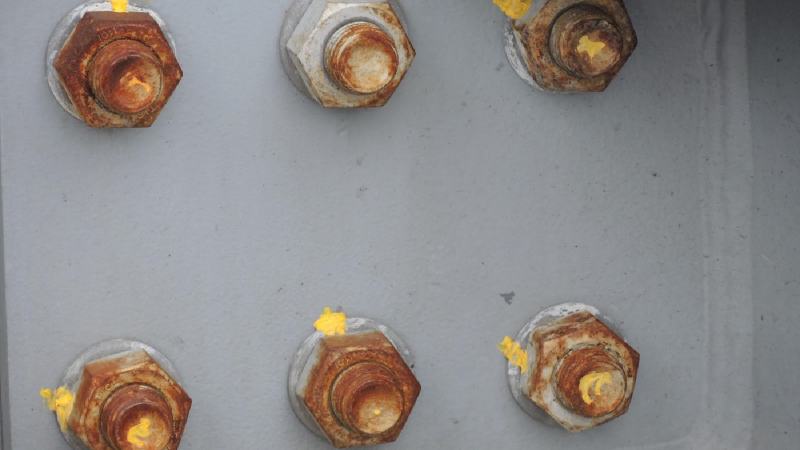
Major maintenance is often harder than new build. You run into surprises: parts built to an outdated standard, documents from back then that are incomplete or do not fit today’s ambitions.
One example: steel that had been flame-straightened in the past cannot simply be forced the other way, not without consequences. Respecting the hardness values, the scope grew: more had to be replaced. In the end all parties approved it. Guiding that process to everyone’s satisfaction takes knowledge, quick switching, and patience.
Teething problems of a new design
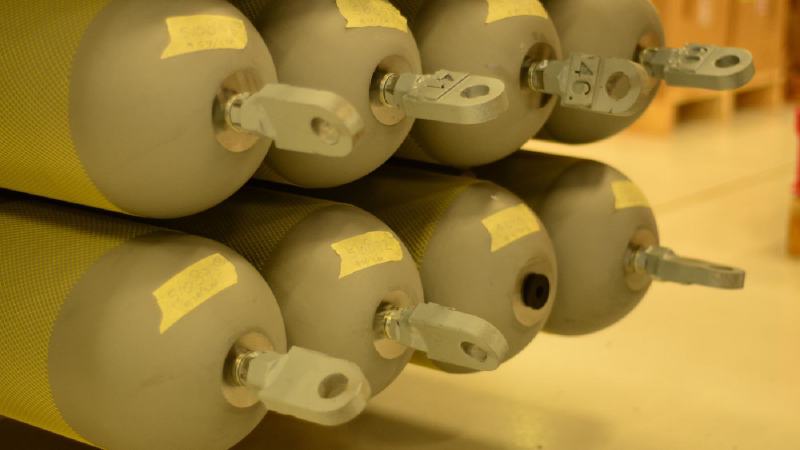
Giving an existing design your own twist can bring many teething problems. I reviewed the design and the instructions for suppliers, and revised the document structure, the quality documents and the procedures for suppliers. That led to parts that are easier to make, and to better relations with suppliers.
Procedures for measuring the GD&T dimensions on the drawing correctly, and Gauge R&R test data, made the results of the tolerance studies more reliable. In this industry, tolerances are tight.
Inspecting at suppliers, in several places
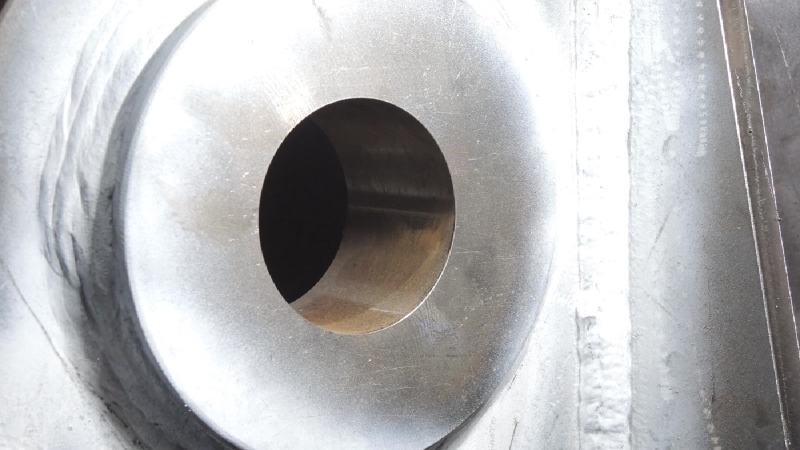
Not every product complies, and you have to find out in time. Assessing outgoing goods at suppliers, or incoming goods spread over several locations, is a logistical challenge. It takes insight, priorities, measurement and analysis.
Critical-to-function dimensions: you must know they are right. If a supplier cannot demonstrate that, we record it ourselves. Critical-to-quality issues can cause serious delay, and when they do, it is typically late in the project, with little room left to be flexible. The balance between the two is set from earlier results. If there are none, getting them is a goal in itself: through an audit, or by assessing the first of a kind or the first from a new supplier.
Five minutes or three days
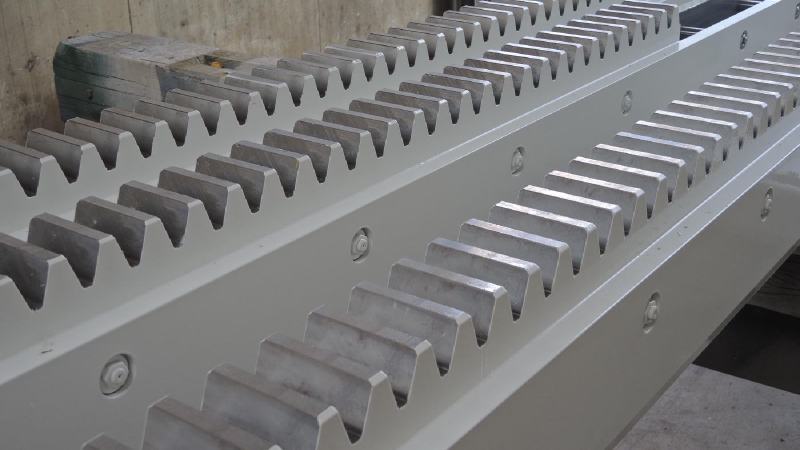
At a machine builder that does a lot right, one part of an assembly was deliberately left off, to be fitted by the customer. That was agreed, and it was labelled. During assembly the label came off. Work was interrupted, things were moved to make room. When assembly resumed, the machine was tested thoroughly, approved and shipped. The last piece was still in the warehouse.
The customer noticed abroad, with the machine already running. Fitting the part during assembly: five minutes. The trip to site and back: about three days, for a colleague from another department.
My work there: knowledge transfer between colleagues that happens naturally, and work that survives an interruption without extra checklists.